What is the importance of VO2max for the endurance athlete?
Training18 September 2026
VO2max is still the reference measure for aerobic capacity, but the gold standard test is expensive and not very sensitive. Here is what the number means, and which alternatives hold up.
Read articleContinuous glucose monitoring in elite endurance sport: revolution or hype?
Nutrition11 September 2026
CGM sensors are sold as real-time fuel gauges. The physiology tells a different story. Here is what the evidence supports, and the one thing a sensor is genuinely useful for.
Read articleThe science behind running power: how reliable is the Stryd sensor?
Tech2 September 2026
Running power is a far better pacing tool than pace or heart rate, but it has one blind spot every coach should know about. Three studies on what the Stryd sensor does and does not see.
Read articleDecoding Hyrox: the physiology, performance determinants and training strategies for hybrid athletes
Training25 August 2026
The 2025 research is in, and it shatters the main myth about hybrid racing. Hyrox is an endurance sport, not a strength sport. Here is what actually predicts a faster finish.
Read articleCoachbox raises strategic investment to accelerate European growth
News24 June 2026
Tech entrepreneur Jeroen De Wit bundles his sport and health investments in his Leadout fund and invests in Coachbox. Together with Eva Maertens and Kristof De Smet, the three entrepreneurs want to help grow the platform into the reference for endurance coaches across Europe.
Read articleWhy you should use lactate testing in your coaching
Training13 April 2026
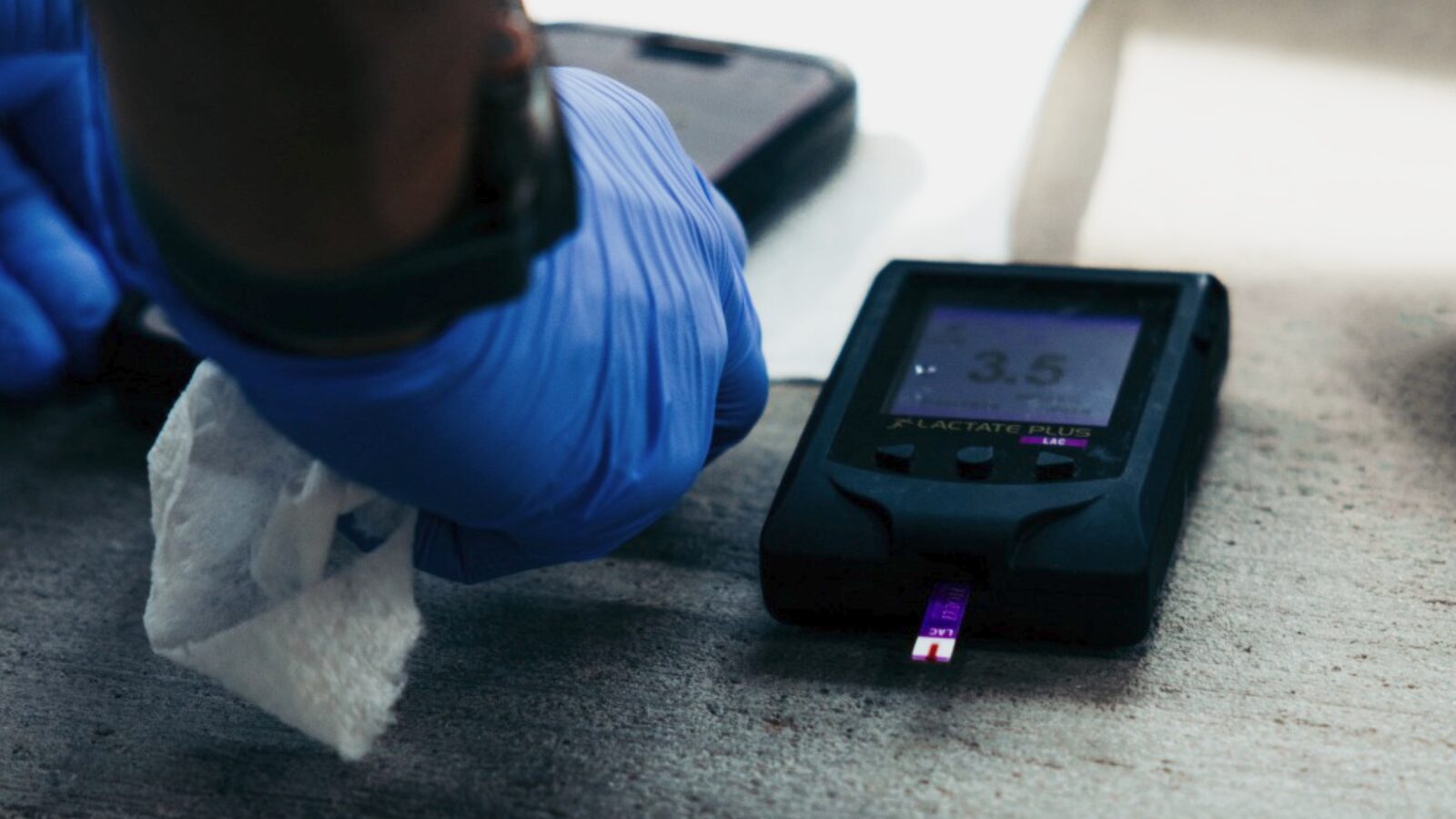
Zones from formulas are a best guess. A lactate test replaces that guess with physiology, and repeat testing turns your coaching into something you can prove works.
Read articleLactate testing: the complete guide to how it works
Training22 March 2026
A lactate test gives the most complete picture of your aerobic and anaerobic capacity. Here is the protocol step by step, and how to translate the results into training.
Read articleHRV-guided training: a practical guide for coaches
Tech11 March 2026
Heart rate variability has gone from niche to mainstream. Here's how to turn HRV data into better training decisions.
Read articlePolarized vs. pyramidal training: which intensity distribution works best?
Training25 February 2026
The debate over the optimal intensity distribution in endurance sports has run for years. Here's what the research says and how to apply it.
Read articleHow to Become a Sports Coach: The Complete Guide for Endurance Sports
Training18 February 2026
From passion to profession: everything you need to know to become an endurance sports coach, from qualifications to building your coaching business.
Read articleMacro-planning for endurance sports: how to build your annual training plan
Training11 February 2026
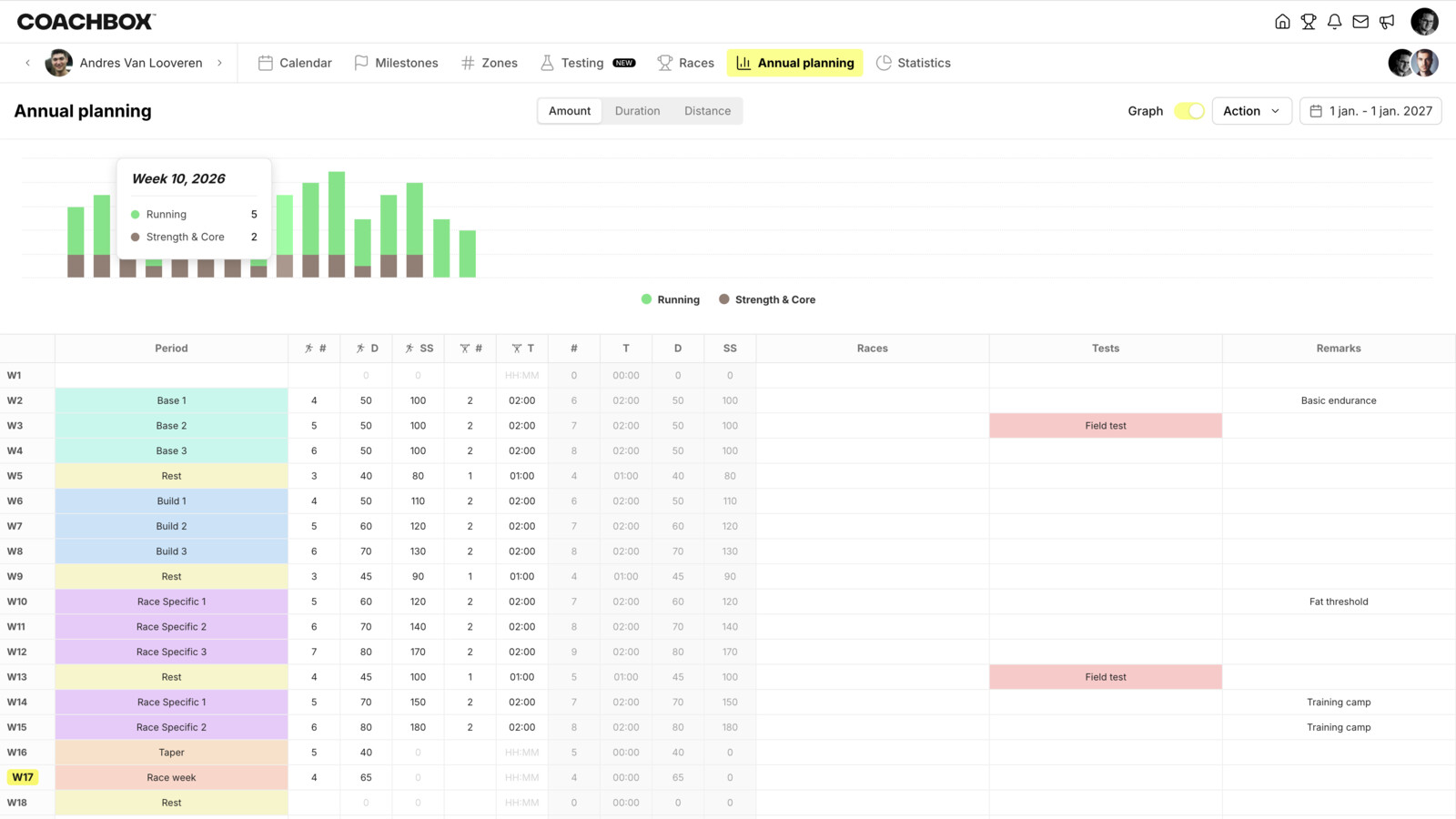
A solid macro-plan is the difference between training toward a goal and training at random. Here's how to build one.
Read articleZone 2 Training: What It Is and How to Measure It Correctly
Training4 February 2026
Zone 2 training is the most talked-about topic in endurance sports right now. But what does it actually mean, and how do you know you're really training in zone 2?
Read articleTraining Zones Explained: Heart Rate, Power, and Lactate
Training28 January 2026
Training zones are the foundation of structured training. Learn how to set your zones using heart rate, power, or lactate.
Read articleOptimizing carbohydrate intake for endurance athletes: Recent insights
Nutrition21 January 2026
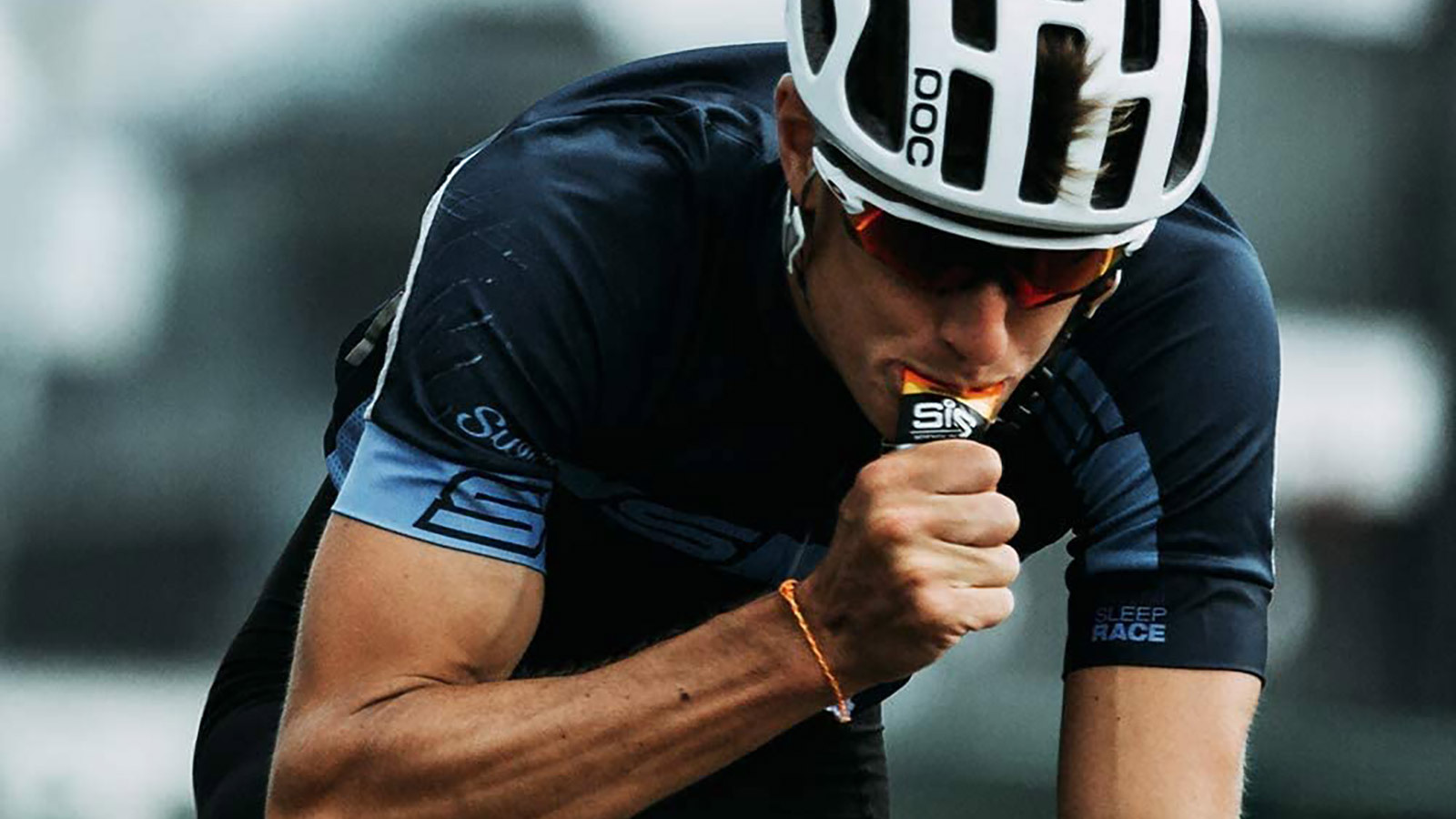
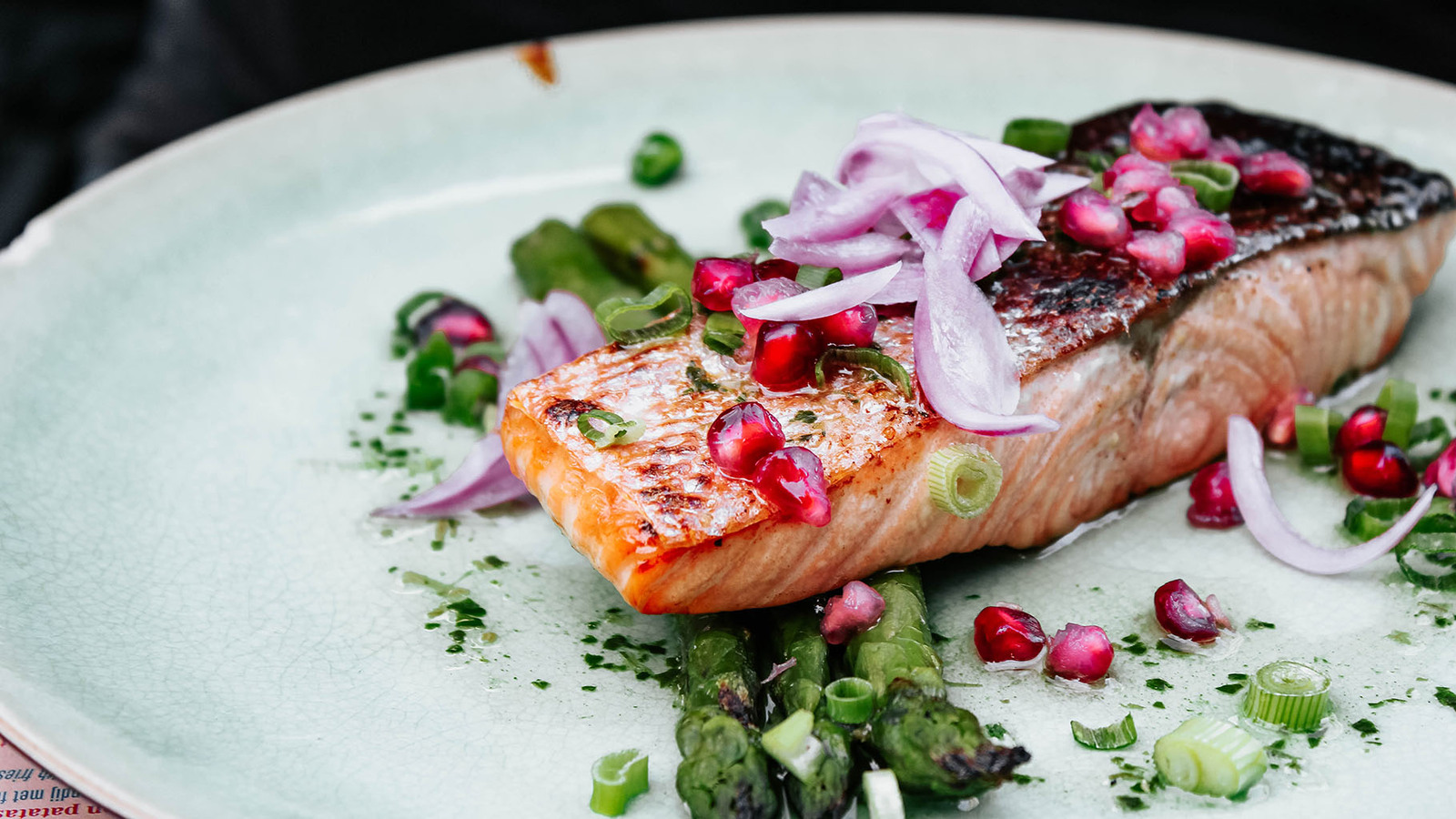
Recent studies suggest that pushing the limits of carbohydrate consumption during prolonged exercise may yield performance benefits, challenging traditional recommendations.
Read articleWhat is Cryotherapy?
Recovery8 January 2026
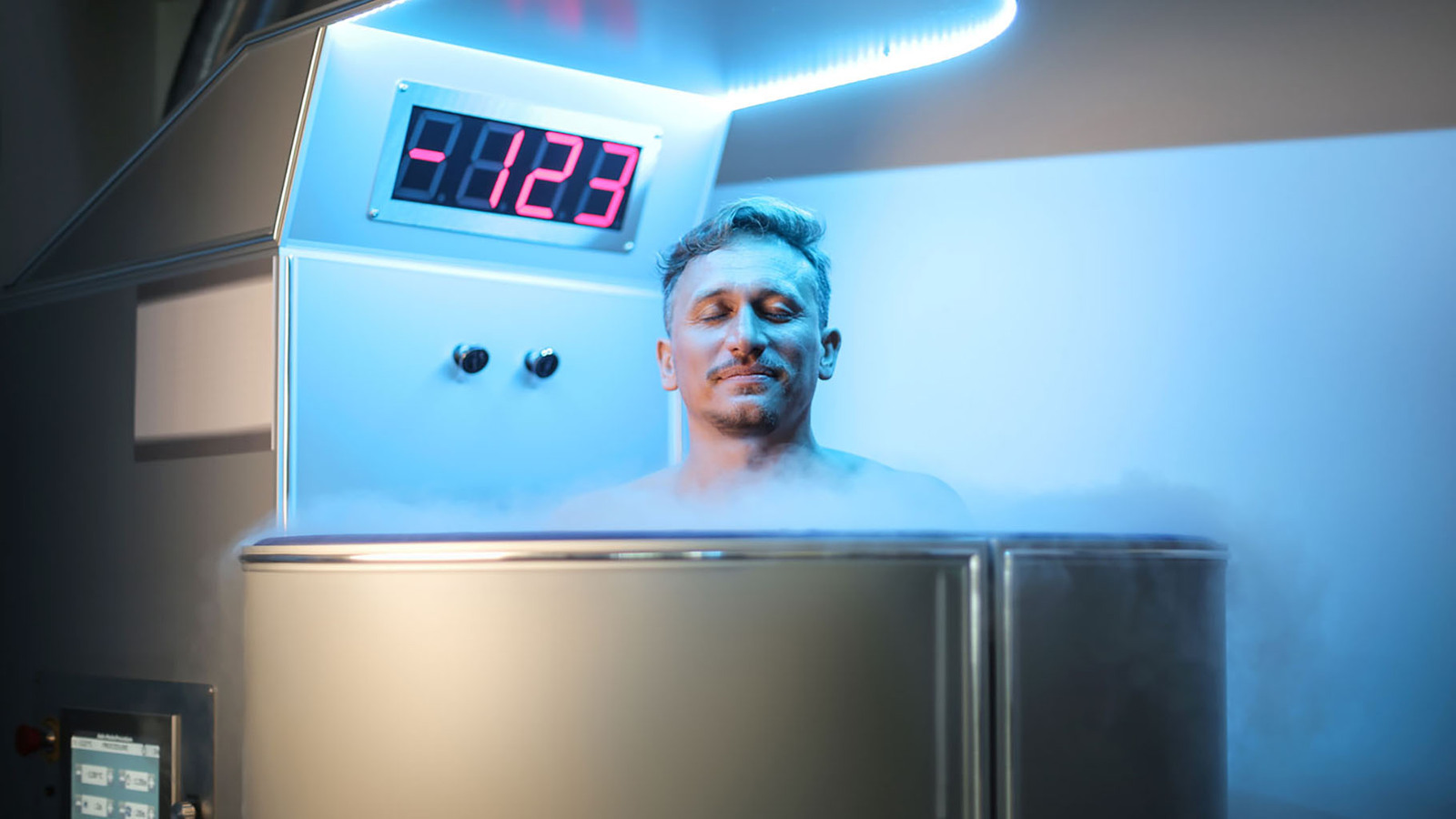
Cryotherapy is a recovery method that uses extremely cold temperatures to reduce inflammation and muscle soreness. This type of therapy is becoming increasingly popular among endurance athletes.
Read articleBlood restriction training, the good and the bad
Training18 December 2025
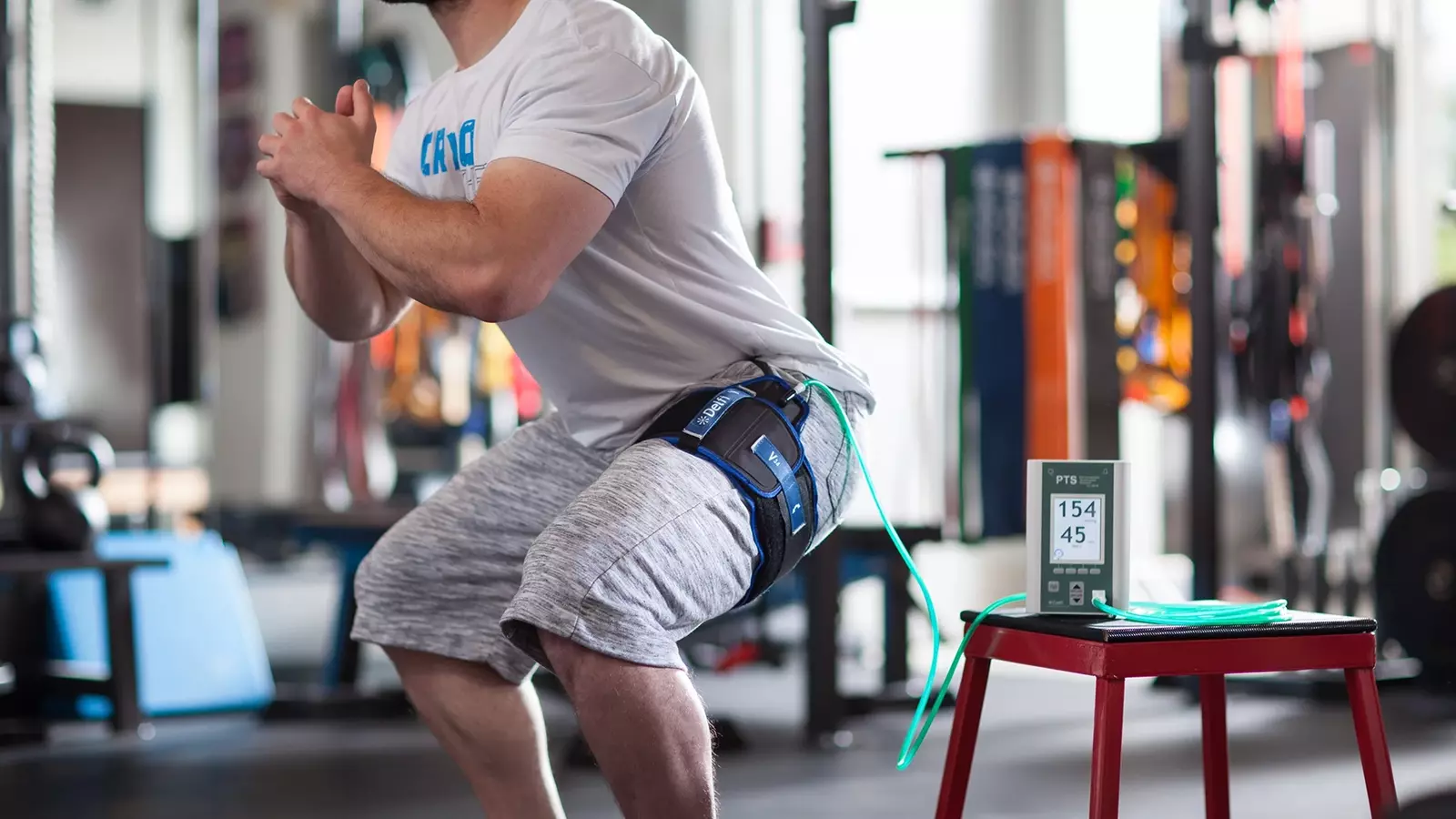
Blood restriction training, also known as occlusion training, is a method that involves using a tourniquet-like device to restrict blood flow to a specific muscle group during exercise.
Read articleWhy is rest so important?
Training7 December 2025
Rest is an essential component of the supercompensation model. Supercompensation is a physiological concept that describes the process of the body adapting to physical stress.
Read articleHow to find a good balance between volume or intensity in workouts
Training9 June 2023
Finding the right equilibrium between overall volume and intensity in workouts is crucial when it comes to improving endurance. Here are key recommendations.
Read articleWhat are the benefits of low-carb and ketogenic diets and is there any scientific evidence for it?
Nutrition9 June 2023
Low-carb and ketogenic diets are gaining traction among endurance athletes for potential performance advantages, including enhanced fat burning and improved metabolic efficiency.
Read articleHow can you improve your VO2max?
Training9 June 2023
VO2 max represents the maximum amount of oxygen that an individual can consume per minute during exercise. It is one of the most important indicators of cardiovascular fitness.
Read articleWhich are the latest trends and research in endurance sports?
Training9 June 2023
In a world that constantly pushes the boundaries of human potential, endurance sports have emerged as a captivating realm. Explore the cutting-edge trends shaping these disciplines.
Read articleDoes massage and compression therapy help in athlete recovery?
Recovery9 June 2023
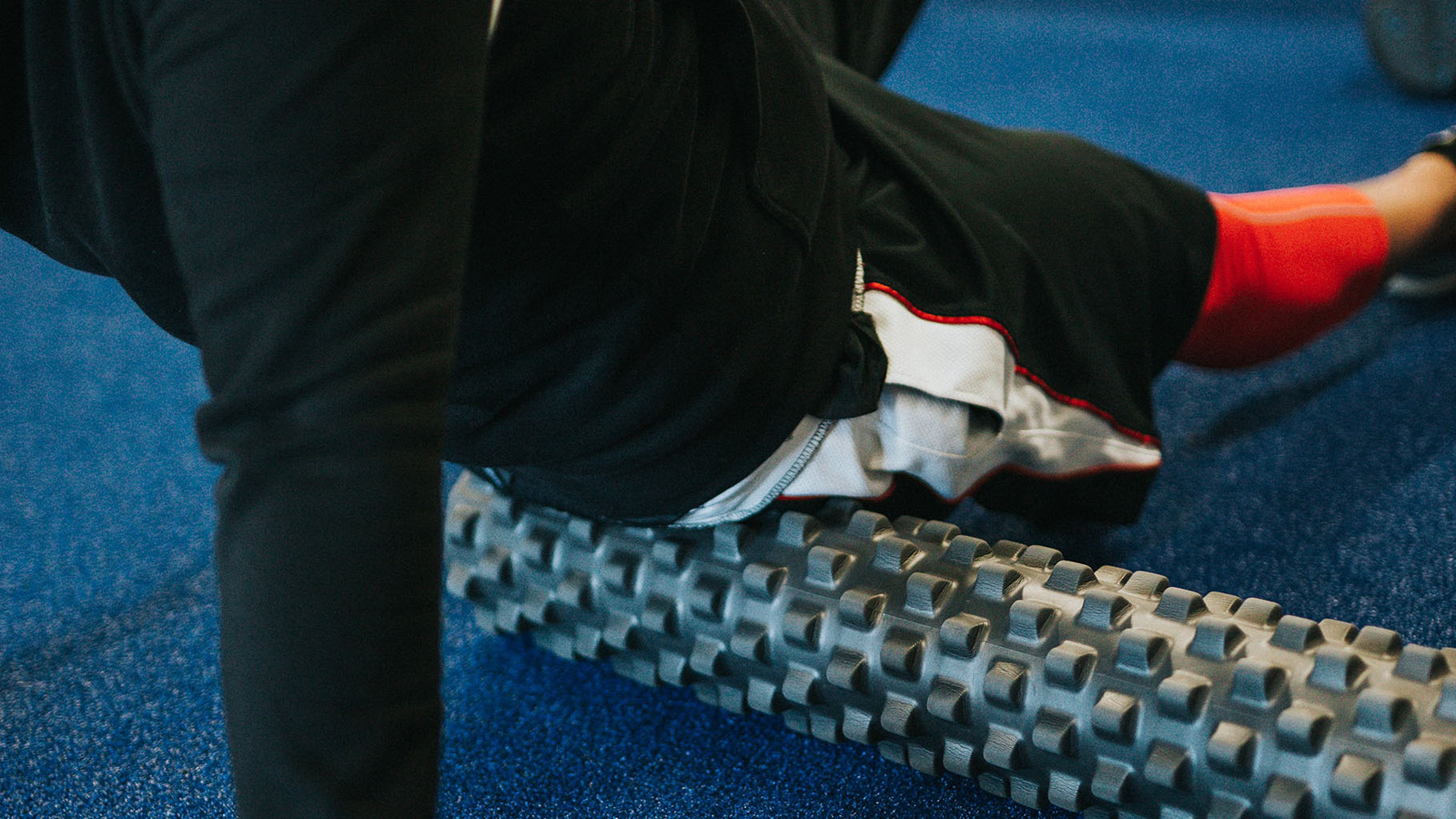
Massage and compression therapy can be effective in helping with the recovery process for endurance athletes. Here are a few ways that these modalities can help.
Read articleWhy should you add strength training to your running program?
Training9 June 2023
To achieve balanced and functional fitness as a runner, incorporate strength training two to three times weekly. This addition will enhance your running capabilities while reducing injury risk.
Read article